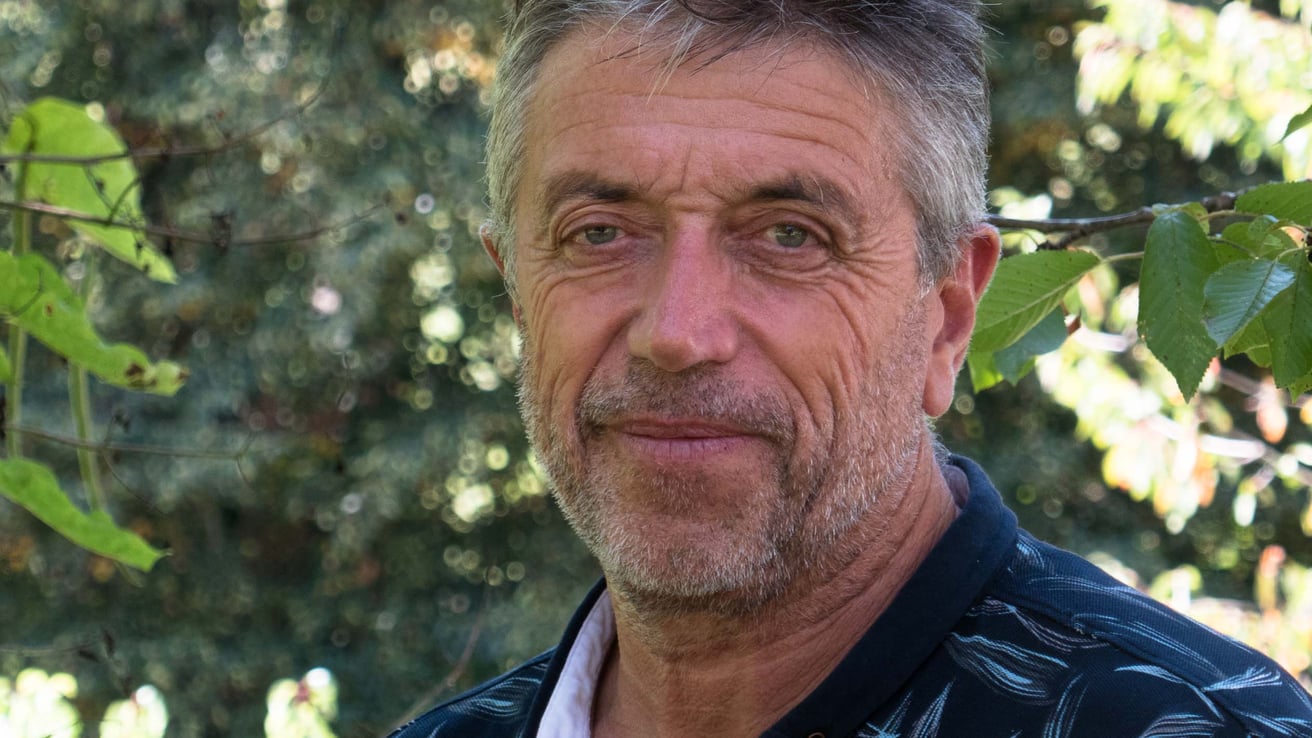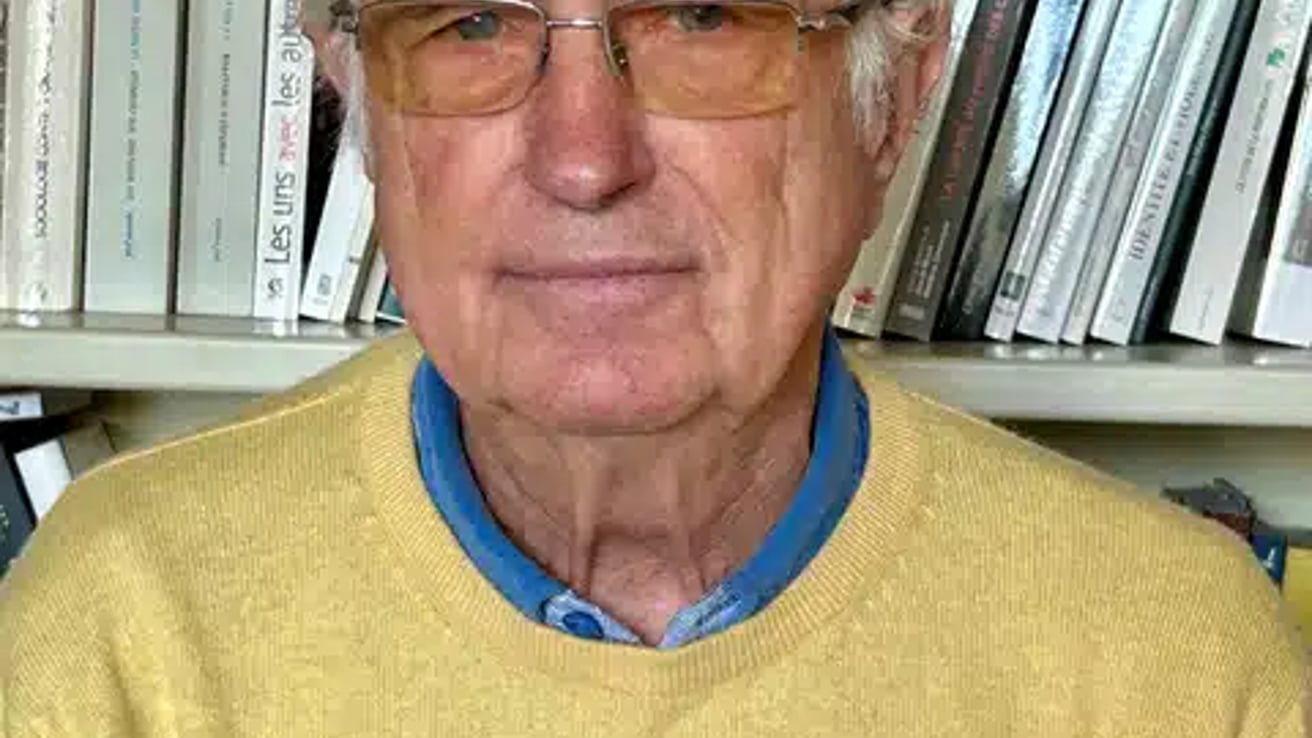


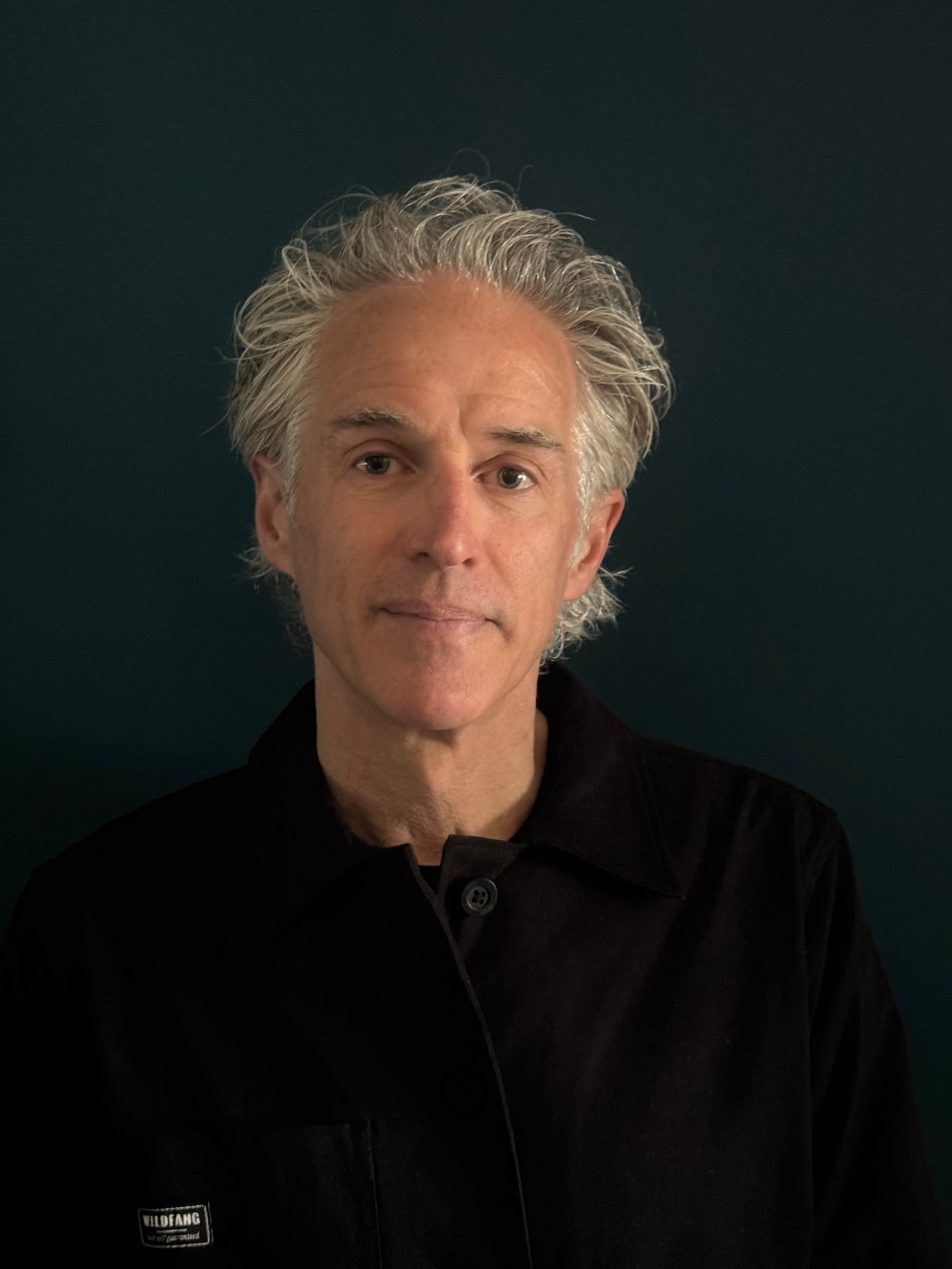
Have you ever come across the term 'celebration capitalism' to describe the Olympic Games? If so, you are likely already familiar with the work of Jules Boykoff. A former professional footballer, he has become one of the best (if not the best) journalists and authors to critique the Olympic machine and the inner workings of international sports governance. Thanks to Maud Simonet, we had the chance to meet him in Paris, just hours before the World Cup football match between Canada and South Africa.
We talked to him about his own journey, as well as activism around Olympic tournaments and how money flows define a lot of what happens in those organisations.
To us, you are THE definitive author criticizing the IOC and international sports governance. You have covered many of the previous Olympic editions. How do you work, and why is your perspective so different from 90% of what we can read elsewhere?
My work is always fact-based and evidence-driven. When studying sports, my approach is to immerse myself in the host city, trying to spend as much time as possible there before, during, and after the competition. During that time, I get to know ordinary people who would never normally be interviewed, and I learn directly from them. I try to understand, piece by piece, how the event is truly affecting their lives, their friends, and their families. The resulting narrative is naturally very different from one based on official press conferences hosted by the International Olympic Committee or FIFA, which I don't attend, but that I certainly follow.
You applied this exact methodology to the Paris Olympics. How do you judge their legacy?
The problem with the Olympics is that whenever something positive happens, it's labeled an 'Olympic legacy,' but when something goes wrong, it's never considered an Olympic cost. A perfect example of this is the cleaning up of the Seine River, which was not counted as an Olympic expense. Yet, it is widely considered an Olympic legacy, even though the actual quality of the water remained highly uncertain since only two types of bacteria were tested during the Olympics: E. coli and Enterococci. People I talked to at the Surfrider Foundation told me that nothing related to toxic effluents or agricultural runoff was taken into account. So ultimately, we still don’t know if the athletes were swimming in heavy metals, and it definitely blew my mind when the person I spoke to answered me "Hell no!" when I asked if he would swim in the river.
« We don't necessarily want every athlete to speak out. »
You used to be a professional footballer. Not every athlete becomes as politically engaged with the IOC as you are. When did you start criticising the whole system, and what prompted that change?
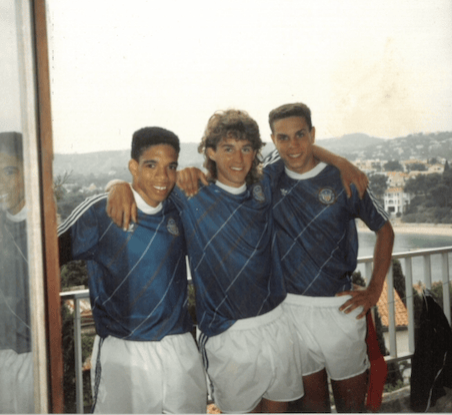
Well, I think it actually started here in France when I was 19. I was playing for the under-23 men's national football team in a tournament. I had never travelled outside the United States before and had been raised on a steady diet of 'Go USA' propaganda. So when we arrived, I fully expected people to cheer for us wherever we played. Obviously, I was completely wrong. I remember our first match against Brazil — the crowd was definitely cheering for them! I can hardly blame them though, because I would also choose the Brazilian team over the US (laughs). But then we played against Czechoslovakia, Yugoslavia, and the Soviet Union, and again, we didn't really have the fans on our side. When I went back home, I started to take politics more seriously at school, and it ended up being the focus of my undergraduate studies.
I was already politically engaged at the time, just not as an athlete. For instance, I participated in anti-apartheid organising and protested against the Gulf War in 1990. The great thing about being a professional footballer was that it gave me plenty of free time to read political books, novels and poetry, as you can’t practise for hours on end. However, none of this had anything to do with the politics of sport yet. It just hadn't occurred to me, and, to be honest, I regret that a little. Especially since, at the time, I advocated a vegetarian diet for athletes but never really spoke out on major controversial issues as I do now. On the other hand though, I'm not sure I was ready, or that my 19-year-old self would have not said something stupid if someone with a microphone had asked me, "What do you think about the war with Israel in Iran?" I wasn't nearly as informed as I am now, and this taught me a lesson: we don't necessarily want every athlete to speak out.
Given the context of the 2026 Football World Cup, aren't you surprised that no athlete has spoken out yet?
...